


Metaverse & Spatial Computing Insights
Analysis of wearable tech, VR/AR breakthroughs, spatial computing interfaces, and digital environments.
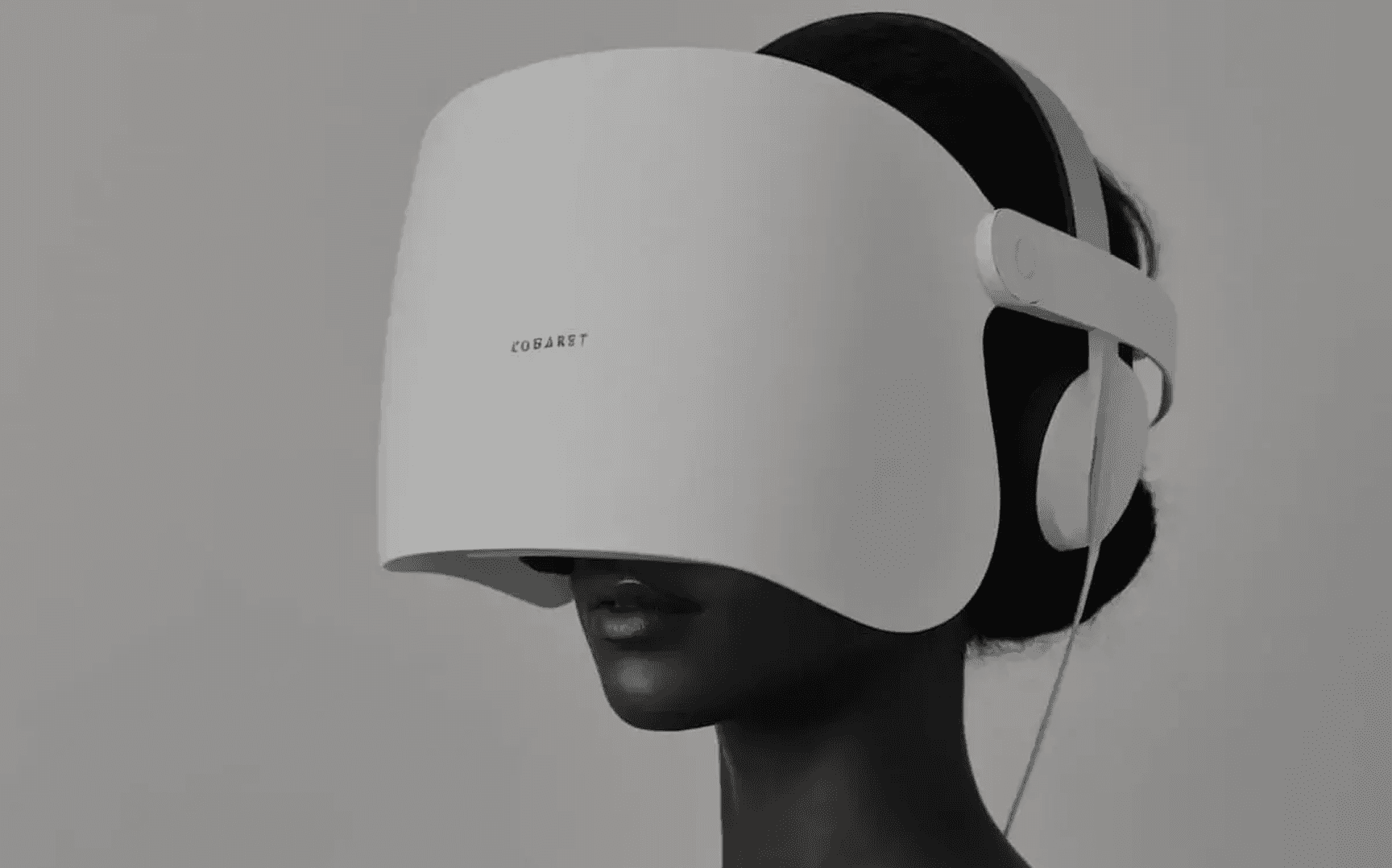
Executive Overview
Spatial computing represents the next major paradigm shift in personal computing and collaboration.
With modern hardware like the Apple Vision Pro and Meta Quest series, immersive computing is maturing from novelty to utility.
Explore firsthand product evaluations, natural user interface design, and future-looking spatial applications.
Core Strategic Frameworks
1. Natural User Interface (NUI) Principles
Designing spatial applications that leverage gaze, gesture, and spatial audio rather than simulated flat touchscreens.
2. Spatial Collaboration vs. Video Calls
Using 3D shared digital workspaces for sprint planning, architecture diagrams, and complex mechanical reviews.
3. Hardware Evolution Velocity
Tracking display resolution, weight reduction, and battery life advancements across headset generations.
About the Author
Aneesh Bond advises high-growth ventures on digital architecture, revenue systems, and intelligent technology implementations.
Read full bio →Featured Essays & Analysis

Is virtual reality a future?
Apr 18, 2024
Robotics To Drive Growth
Mar 29, 2024
Churn Rate - Listen To Your Customers To Reduce Churn Rate
Mar 29, 2024
Big Data - For Tech Giants, Big Data Comes With Big Responsibility
Mar 29, 2024
Brand Advocates - Converting Brand Loyalists To Brand Advocates
Mar 29, 2024
Data Analytics - Use Data Analysis To Refine Your Customer Experience
Mar 29, 2024Frequently Asked Questions
Is spatial computing ready for enterprise work?
Yes, particularly for immersive training, collaborative 3D modeling, high-focus productivity, and virtual travel.
What distinguishes spatial computing from traditional virtual reality?
Spatial computing seamlessly blends digital content with physical reality using advanced passthrough and spatial awareness.
No noise. Just insight.
Join the list to get essays, tools, and recommendations I only share in email.