


AI Strategy & Enterprise Transformation
Frameworks for moving from experimental AI to scalable, high-ROI production systems.
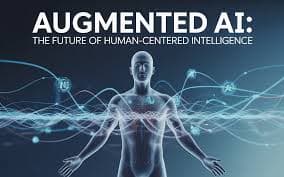
Executive Overview
Artificial Intelligence is fundamentally re-architecting modern business operations, product design, and customer interactions.
Rather than chasing short-lived hype cycles, successful enterprises integrate AI at the foundational data and operational levels.
This guide compiles field notes, architectural blueprints, and practical execution roadmaps for modern executives and builders.
Core Strategic Frameworks
1. The Human-in-the-Loop Velocity Loop
Designing AI workflows where human judgment directs strategy while automated agents handle high-throughput execution.
2. Enterprise Data Fabric & Integrity
Structuring proprietary business data so that retrieval-augmented models can provide high-precision, hallucination-free answers.
3. Ethical AI Governance & Transparency
Ensuring compliance, algorithmic fairness, and consumer trust across automated decision-making pipelines.
About the Author
Aneesh Bond advises high-growth ventures on digital architecture, revenue systems, and intelligent technology implementations.
Read full bio →Featured Essays & Analysis

AI-Driven Retail: The Future of Customer Experience
Aug 29, 2026
Decoding AI's Role in Retail Tech: The Next Frontier
Aug 29, 2026
Multi-Agent System Orchestration: Why Code-First Beats Autonomous Chaos
Aug 29, 2026
Why Is Structured Data So Important?
Mar 29, 2024
Robotics To Drive Growth
Mar 29, 2024
Churn Rate - Listen To Your Customers To Reduce Churn Rate
Mar 29, 2024Frequently Asked Questions
How should an enterprise begin implementing AI?
Start with a high-impact, low-risk workflow such as customer query triage or internal knowledge retrieval before scaling to mission-critical operations.
What is the biggest pitfall in AI adoption?
Deploying AI models without strong underlying data architecture or clear unit-economic benchmarks for return on investment.
How do generative AI tools differ from traditional automation?
Generative AI can synthesize context and generate creative or dynamic solutions, whereas traditional automation relies on strict deterministic rule sets.
No noise. Just insight.
Join the list to get essays, tools, and recommendations I only share in email.